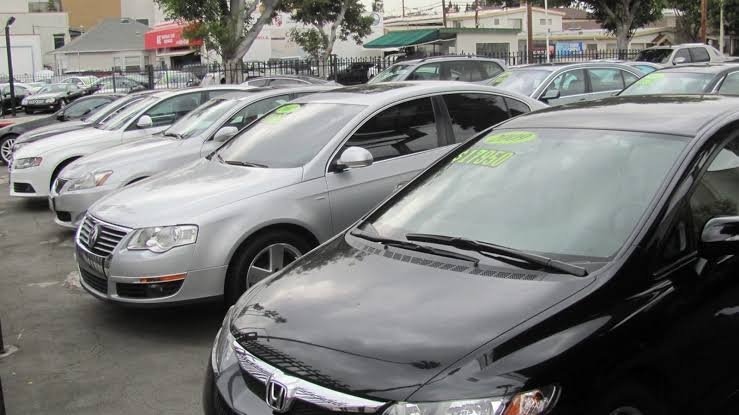
7 Good Signs to Look for When Buying Used Cars in Glendale
Behind a glossy finish, many second hand autos hide expensive surprises. Shoppers comparing used cars in glendale can avoid those traps through careful observation. Sellers rarely volunteer problems, so buyers must notice warning signals themselves. Some clues appear on paperwork while others sit beneath the hood. Learning both sets protects savings from repairs nobody planned for. What follows outlines seven troubling indicators alongside healthier options worth choosing.
Hidden Problems Cost Money
A low asking price often conceals repairs waiting just around the corner. Transmission trouble alone can cost thousands of dollars to fix properly. Shop labor rates have climbed steadily over recent years nationwide. Catching problems early keeps that money in your own pocket.
Paperwork Reveals Honest Sellers
Documents often tell a clearer story than any sales pitch. A clean title confirms the auto was never declared a total loss. Service receipts show whether past owners handled maintenance responsibly. Missing records do not always mean trouble but deserve extra questions.
Seven Warning Signs Worth Noticing
Each of these signals points toward hidden damage or dishonest selling. Treat any single one as a reason to slow down.
- Seller refuses an independent inspection by your chosen mechanic.
- Title shows salvage, rebuilt, or flood branding from prior incidents.
- Odometer reading seems too low for the vehicle’s overall age.
- Fresh undercoating sprayed heavily may conceal rust or frame damage.
- A musty cabin odour often signals water leaks or past flooding.
- Dashboard warning lights stay illuminated after the engine starts running.
- Pressure to sign today usually means the deal hides something.
- Noticing even one sign justifies pausing before handing over money.
Healthy Signals That Deserve Attention
Good candidates share a few calm, consistent traits worth recognizing. Dealers offering used cars in glendale alongside full records usually have less to conceal. Even panel gaps suggest the body never suffered major collision repairs. Smooth idling plus quiet braking point toward responsible past maintenance.
How Should Buyers Verify a Seller’s Claims Properly?
Start by requesting the vehicle identification number before any visit. Run it through a reputable history report service for accident records. Compare those report details against what the seller described earlier. Any mismatch deserves a direct question before moving further.
Next, book a pre-purchase inspection at an independent repair shop. Most shops charge from one hundred to two hundred dollars. That small fee often uncovers problems worth thousands in future repairs. Bring the written report home before agreeing on any price. Honest sellers rarely object when buyers take these sensible steps.
Timing Your Visit Wisely
Daylight visits make paint flaws far easier to notice. Rainy days can hide scratches or dents under water droplets. Weekday mornings also give salespeople more time to answer questions.
Warning Signs Versus Healthy Alternatives
| Area to Check | Warning Sign | Healthier Alternative |
| Title Status | Salvage or rebuilt branding | Clean title in seller’s name |
| Mileage | Reading far below expected age | Mileage matching service records |
| Interior | Damp carpets or musty smell | Dry floors with fresh air |
| Engine | Knocking or warning lights | Quiet idle with clear dashboard |
| Seller Behaviour | Rushing toward a signature | Open to inspections and questions |
| Service History | No receipts available | Regular maintenance documented |
| Asking Price | Far below market value | Close to fair market range |
Using this comparison during visits keeps decisions grounded in evidence. Save it on your phone before heading out to shop.
Paying Safely After Choosing Your Ride
Avoid paying large cash amounts without a signed bill of sale. Bank transfers or cashier’s checks create a clear payment trail. Confirm the title transfers into your name at signing. Keep copies of every document in one safe folder.
Helpful Answers to Common Buyer Doubts
- How many miles count as too many? Condition matters more, though under one hundred thousand often means fewer looming repairs.
- Should a rebuilt title always be avoided? Not always, but insurance costs rise while resale value drops sharply.
- Does a clean history report guarantee safety? No, unreported accidents never appear, so an inspection still matters.
- How long should a test drive last? Aim for at least twenty minutes, covering highways plus quiet side streets.
- Are dealer warranties worth paying extra for? They help most when coverage clearly includes engine plus transmission repairs.
- What paperwork proves proper ownership? A signed title in the seller’s name confirms legal permission to sell.
Patience Protects Every Dollar Spent
Every purchase decision improves once evidence replaces guesswork. Records, inspections plus calm questioning expose most flaws early. Walking away from a doubtful deal costs nothing at all. Nobody catches everything, yet steady habits catch enough. Apply the same checks every time to keep your money protected.